


Currently, we’re witnessing a cultural shift against self-reliant sniper teams as well as self-reliant individuals in the civilian world. It has unfolded over many years, though it is difficult to mark its exact start. People and leadership are now relying more and more on ‘structures’ and less on individual readiness, and this does filter down to snipers. This change is shaping how individuals and teams think about duty, safety, and independence. It also continues to affect how unique sniping tools are viewed within the larger military structure.
Sniper Team Self-Reliance as a Cultural Fault Line
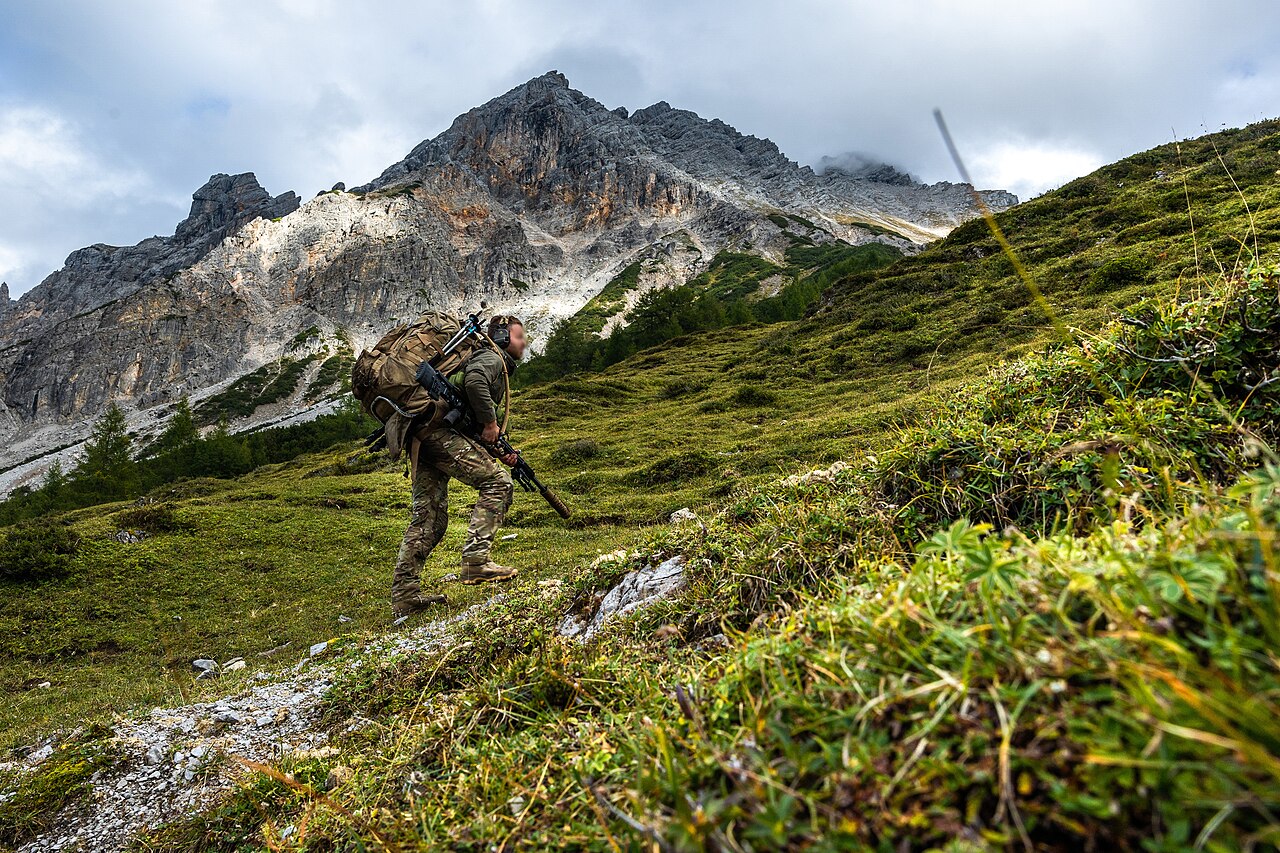
Self-reliance once held a plain meaning: a sniper team, or person, was prepared for a mission’s demands without constant outside aid. For a two man sniper team, self reliance and the ability to adapt is a mandatory skillset and attribute of that team. But today, that idea faces doubt, both within the senior military leadership and the general public. Critics frame it as isolation or defiance; they suggest that shared systems and technical hardware should replace small team readiness. Yet, this framing skips a key point. A self-reliant person, or sniper team, still lives in a community or larger military unit; that team simply operates as a part of that unit, and carries a fair share of the load.
This tension creates a cultural fault line. On one side stand those who trust large systems and units to solve most problems. On the other side stand those who see value in what a sniper team and personal skill and readiness offers to the overall objective. Neither side denies the role of command authority or law and order, rather the dispute concerns balance. When balance tilts too far, dependence grows. When dependence grows, resilience shrinks. The change has happened slowly, but it has happened. As small two man sniper teams start relying on larger QRFs as a standard exfiltration instead of relying sound fieldcraft to exfil on their own, they lose that resiliency.


Responsibility and Preparedness as a Sniper Team and Firearm Owner
Many people misunderstand self-reliance, whether as a sniper team or an individual, as reckless independence. They picture a lone sniper or sniper team who rejects all limits and goes it alone. That image is wrong. Self-reliance includes safeguarding others in the larger unit, not just the team itself. It requires planning, restraint, and clear judgment. It asks the team to think ahead and to act with care and precision in conjunction with the overall objective. In this same context, firearm ownership comes with responsibility as owners must also store firearms safely, they must learn proper handling and become proficient, and they must know the law. These tasks demand effort.
Preparedness as a sniper team extends beyond the skills and knowing the tools, it includes training, situational awareness, and a calm response under stress. These habits form over time and training and they do not appear by chance. They reflect a mindset that values readiness and trains to avoid panic. In this way, responsibility becomes a daily practice rather than a slogan, so be sure to practice and involve leadership in that training.
Leadership, Trust, and the Limits of Centralization
Modern military leadership and unit structure provide order and support for sniper teams. They set rules of engagement, they offer support elements, and they coordinate response. These roles are extremely valuable. Still, no system can cover every situation a sniper team may face. Gaps appear. Delays occur. Limits exist.
Trust in the larger unit should be steady but not blind. A healthy unit cohesion accepts both the capabilities and limits of a team. Centralization of sniper leadership can simplify control, but it can also reduce flexibility. Local knowledge from the units the snipers are operating with provide valuable insight into the Area of Operation and personal skill of the sniper teams add flexibility. This ability to rely on their own capabilities allow for quick action and reduce the load on larger units with their own objectives and mission parameters. This balance keeps both sides effective.

The Discipline of Sniper Teams
An attached sniper team, or larger sniper element within a SWAT or an infantry company or battalion, does not require hoopla or noisy recognition. It operates on the quiet discipline of those professional teams. They train, they invest in additional equipment and accessories, and they follow orders and rules of engagement. At the same time, they accept scrutiny and insure they exceed standards. Discipline shapes behavior in small but meaningful ways.
The culture around snipers can drift, it has done so dramatically over the past century. The culture can turn careless or rigid, and both paths can cause harm. But a steady culture for disciplined and self-reliant sniper professionals can avoid both. It treats the profession as a serious duty. It does not seek attention but instead, seeks competence.
Final Thoughts
The debate over the effectiveness of snipers, their value, and their need for operational independence will continue, and it should. A military that fails to evaluate and adapt to the times is doomed to fail, just look at Ukraine and how adaptive they have had to be. Yet the core idea remains clear: the idea that snipers are about more than reckless glory captures a link between sacrifice and duty. Senior leadership that values self-reliant sniper teams expects responsibility from those teams, and that two-way link provokes truly effective cohesion and operational capability. The same can be said about firearm ownership as well. A society that values self-reliance will expect responsibility. A society that expects responsibility will protect liberty.
Sniper Central
In my opinion, and mine only, is people have come to rely on systems. The reason for this is you can blame the system instead of assuming responsibility for a mistake. People want to shirk individual responsibility and this is one way to do it.